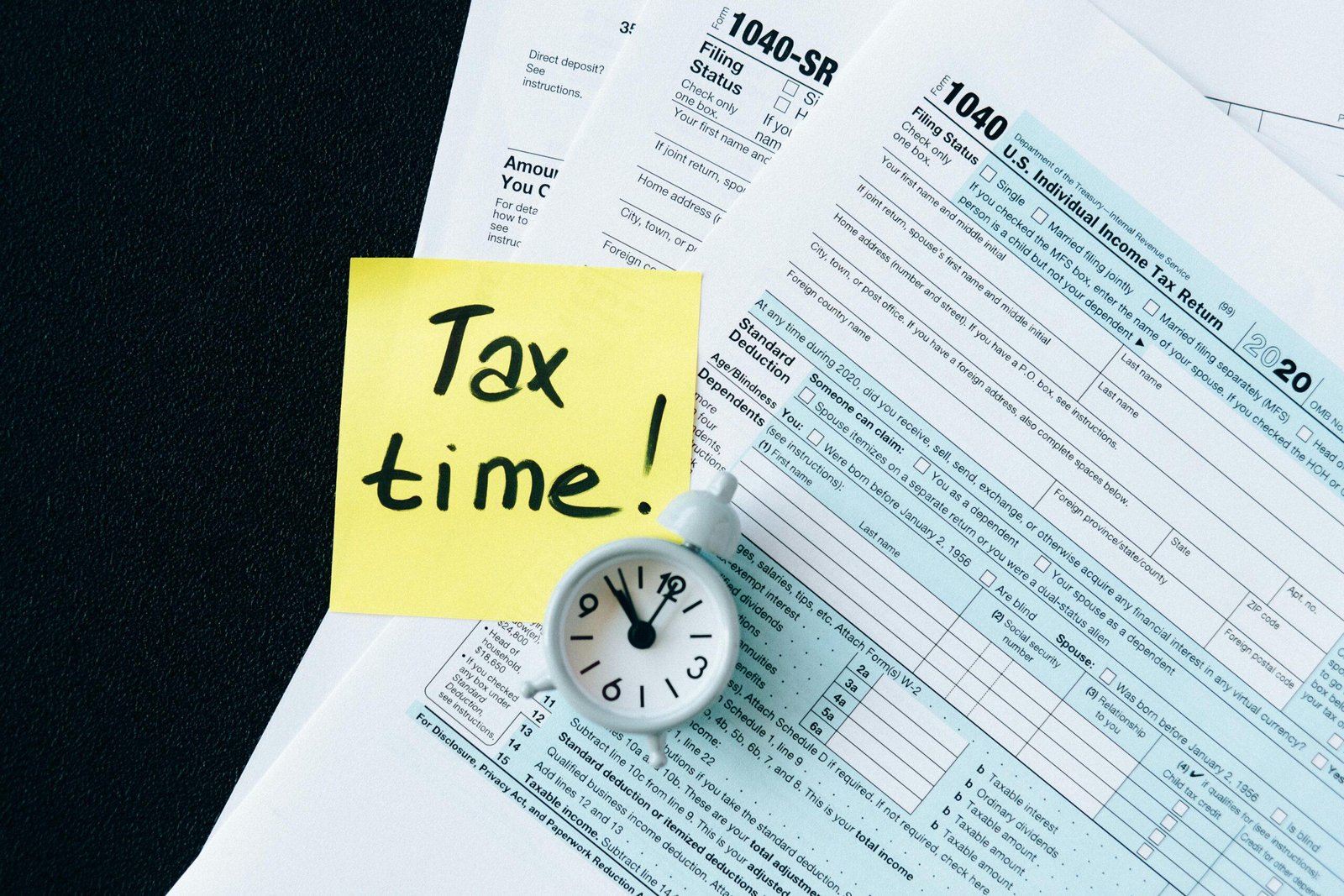
Turnover Tax Explained for Small Businesses in South Africa
For small business owners in South Africa, managing tax obligations can feel overwhelming and time-consuming. One of the most overlooked tax relief options is the turnover tax for small business South Africa, a simplified tax system designed to ease compliance for qualifying micro businesses. By understanding what turnover tax is and whether your business qualifies, you could reduce your tax burden and administrative load — freeing up time and money to grow your business.
In this guide, we break down turnover tax, explain who qualifies, provide practical steps for registration, and offer a real-world SME example to help you make an informed decision.
Why Turnover Tax Matters for South African SMEs
Turnover tax is a tax system introduced by the South African Revenue Service (SARS) aimed at reducing the complexity of tax compliance for micro enterprises. It replaces several taxes — such as income tax, VAT (if under the threshold), capital gains tax, and provisional tax — with a single, simplified tax based on business turnover, not profits.
This matters because many small businesses struggle with compliance due to limited resources and complex requirements. Here’s why turnover tax can be a game-changer:
- Lower tax burden: Rates start as low as 0% for the first R335,000 in turnover.
- Simplified filing: Fewer tax returns and less paperwork throughout the year.
- Reduced admin costs: Less need for expensive accounting services.
- Improved cash flow: Because tax is based on turnover, not profit, there’s greater clarity on liabilities.
- SARS compliance: Helps small businesses remain on the right side of tax law.
However, it’s not for everyone. Businesses with higher profit margins or significant input costs may end up paying more under this system. That’s why careful evaluation is key.
How to Register for Turnover Tax in South Africa: A Step-by-Step Guide
If you’re considering turnover tax for your small business in South Africa, here’s how to determine eligibility and navigate the registration process effectively.
1. Determine Eligibility
- Qualifying turnover: Your total annual income (excluding capital sales) must not exceed R1 million.
- Type of entity: Sole proprietors, partnerships, close corporations (CCs), companies (PTY Ltd), and co-operatives can all qualify.
- Excluded activities: Businesses performing personal services through a company or with certain foreign ownership do not qualify. Check SARS turnover tax guidelines for full criteria.
2. Consider Which Taxes You’ll Replace
Turnover tax replaces multiple taxes if you opt in:
- Income Tax
- VAT (only if voluntarily registered and under the R1 million VAT threshold)
- Provisional Tax
- Capital Gains Tax
- Dividends Tax (if you remain below certain thresholds)
Note: Employees’ tax (PAYE) and UIF still apply if you employ staff.
3. Register Before the Deadline
To qualify for turnover tax in a given tax year, you must register before the business year starts — by the end of February for the next tax year starting in March.
You can register using:
- SARS eFiling
- Visit your nearest SARS branch (appointment required)
- Submit a TT01 form manually (available on the SARS website)
4. Keep Basic Financial Records
Turnover tax comes with simplified admin, but you still need to maintain essential records:
- Daily sales records (cash and invoices)
- Business expenses
- Employee salaries and deductions (PAYE/SDL/UIF)
According to SARS, you are not required to submit detailed financial statements but must retain them in case of audit or verification.
5. Submit Annual Turnover Tax Returns
Unlike VAT or Income Tax, turnover tax requires only two returns annually:
- Interim (mid-year) return – Due end of August
- Final (year-end) return – Due the following February
The final return includes your total turnover and allows SARS to calculate your final tax liability based on the sliding scale of turnover tax rates.
6. Understand the Tax Rates
SARS publishes turnover tax rates annually. As of the 2023/24 tax year:
- 0% for turnover up to R335,000
- 1% of turnover above R335,000 up to R500,000
- Higher tiers apply gradually up to a marginal rate of ≈ 3% for turnover above R750,000
These rates can change, so always consult the latest SARS rates tables.
Real-World Example: How One SA SME Benefitted
Tumisang’s Mobile Car Wash in Tembisa brought in R650,000 in turnover in the 2022/23 tax year. Before switching to turnover tax, Tumisang’s business paid:
- Provisional tax: R18,000
- VAT: R36,000 annually (voluntarily registered)
- Bookkeeping services: R12,000 annually
After consulting with an accountant, Tumisang deregistered for VAT and registered for turnover tax. Under the turnover tax schedule, he paid approximately R8,500 in total tax, reducing his annual tax liability by over 50% — and cut admin costs by relying on basic bookkeeping software. This freed up capital for new equipment and helped hire his first employee.
Tools, Resources & Next Steps
Here are some trusted resources and practical tools for small business owners exploring turnover tax:
- SARS Turnover Tax Guide – official info and eligibility criteria
- SARS eFiling – for registration and tax return submissions
- BizPortal – for business registration and compliance info
- Guide to SME Funding Opportunities in South Africa (2025) – explore grants and financial support options
Still unsure if turnover tax is right for you? Consider consulting a small business accountant to weigh tax impact vs input costs.
Common Mistakes to Avoid
- Missing the registration deadline: Always register before the start of the financial year, not during.
- Not monitoring turnover closely: Exceeding R1 million requires you to exit the system immediately and pay standard taxes with penalties if non-compliant.
- Assuming all entities qualify: Make sure your business structure and ownership align with SARS requirements.
- Neglecting record-keeping: Simplified doesn’t mean no records — audits still happen.
- Overlooking VAT status: If currently VAT-registered, evaluate whether it’s better to stay VAT-registered due to input claims.
- Not reviewing annually: Reass
Written by the SMEInnovationHub Team.