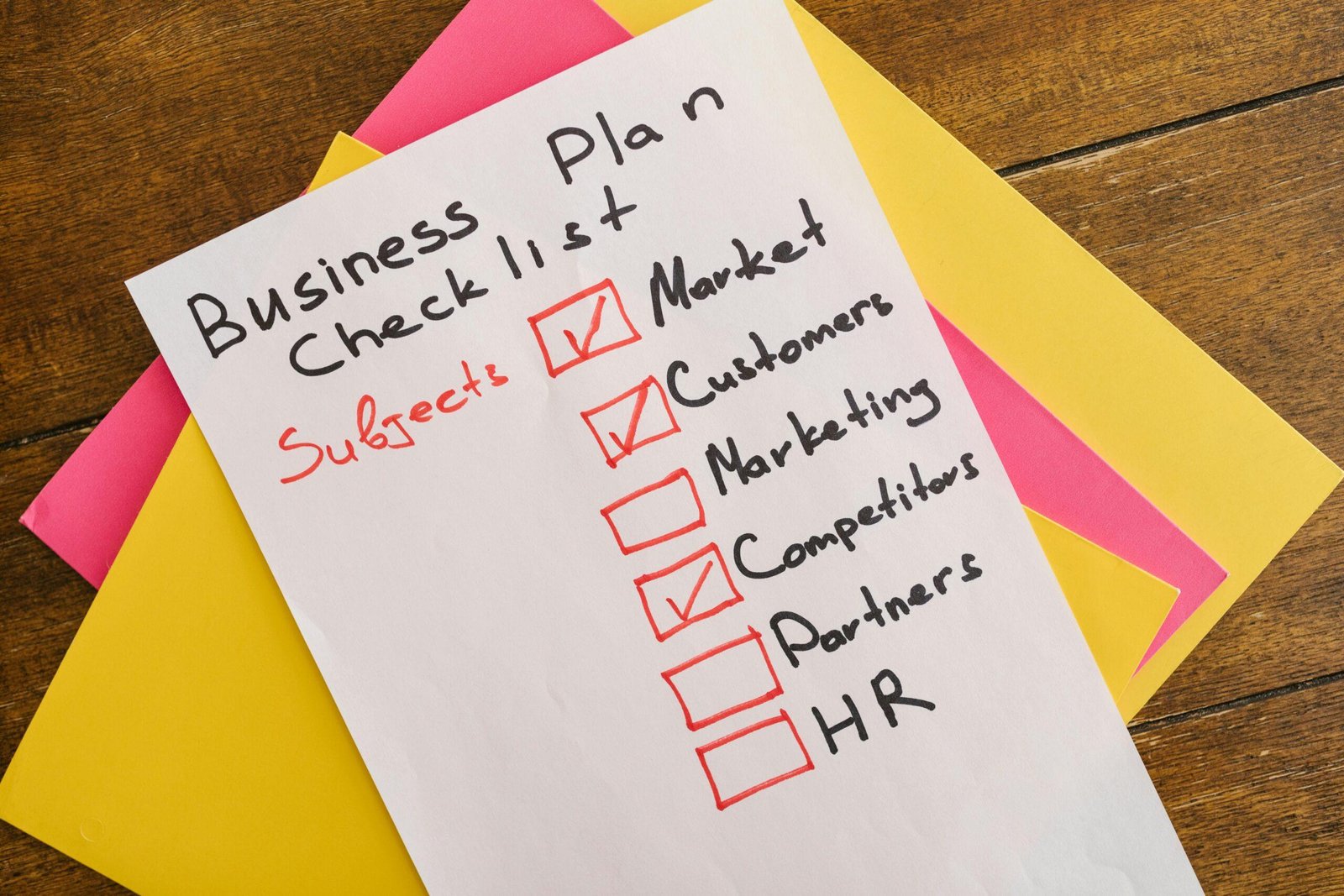
Business Plan Template Guide for South African SMEs
Written by the SMEInnovationHub Team.
Starting or growing a small business in South Africa requires more than just passion—it takes strategy, structure, and planning. One of the most crucial tools for any entrepreneur or SMME is a clear, detailed business plan. In this guide, we provide a business plan template South Africa free that you can use right away, backed by real-world advice tailored to local requirements. Whether you’re applying for funding, pitching to partners, or just refining your roadmap, this article will help you create a powerful business plan aligned with your goals.
Why This Matters for SMEs
A well-structured business plan is often the difference between success and struggle for many South African SMMEs (Small, Medium and Micro Enterprises). Here’s why:
- Access to funding: Development finance institutions like SEFA require a realistic plan when applying for business loans or grants.
- Compliance and Legitimacy: A business plan shows that your operations are legitimate and grounded in research, which helps when registering with the Companies and Intellectual Property Commission (CIPC).
- Strategic Focus: A business plan helps small businesses focus on priorities and avoid costly mistakes by clarifying targets and metrics.
- Improved Decision-Making: Entrepreneurs with written business plans are 16% more likely to achieve viability compared to those without, according to studies by the SBA and other global development bodies.
Having a plan is particularly important in an economy like South Africa’s, where access to resources is uneven and competition is tight. Whether you’re in e-commerce, agriculture, retail, or manufacturing, this guide gives you a strategic edge.
Step-by-Step: How to Build Your SME Business Plan
Using our business plan template South Africa free, follow these detailed steps to develop a comprehensive and convincing business strategy.
1. Executive Summary
This is a 1-page snapshot that outlines your business idea, what you sell, who it serves, and why your business will succeed. Make it powerful but concise — many funders read only this section.
What to include:
- Business name, location, legal structure
- Business opportunity you’re addressing
- High-level financials (e.g., expected turnover, funding requirements)
- Summary of your team
2. Business Description
Define your business type and model. Are you a sole proprietor or Pty Ltd? Is your model B2B, B2C, or hybrid? Explain the South African market needs you’re tackling.
Tips: Justify why your solution matters in the local context, e.g., township logistics services, youth digital training, or eco-friendly farming in rural areas.
3. Market Analysis
This section shows you understand your market, customers, and competitors.
- Size of your target market (e.g., 2,000 SMEs in Gauteng needing accounting software)
- Customer segments
- Competitor overview
- Trends and regulatory considerations (e.g., POPIA, B-BBEE)
4. Marketing and Sales Plan
Explain how you’ll reach your audience and generate sales.
- Distribution channels: Website, WhatsApp, retail, agents
- Pricing strategy (e.g., cost-plus, value-based)
- Promotional methods: Local radio, social media, trade shows
- After-sales support
5. Operational Plan
Focus on how your business functions day-to-day.
- Location, equipment, technology used
- Production or service delivery process
- Inventory management
- Staffing and supply chain info
6. Financial Projections
In South Africa, funders expect at least 3 years of numbers. Use conservative yet realistic projections.
- Startup costs
- Projected income and expenses
- Break-even analysis
- Cash flow projections
Use tools such as Excel or Finfind to calculate these figures.
Real-World Example: KhayaTech’s Success Story
Before: In 2021, Thandi, a Soweto-based web developer, decided to launch KhayaTech — a digital consultancy targeting township SMMEs. She had a great idea but no formal business plan.
She struggled to secure SEFA funding, lacked direction in marketing, and spent 8 months operating informally.
After: With help from her local business development centre and a structured business plan template South Africa free, Thandi prepared a compelling 15-page document. She got approved for R200,000 in funding, hired a junior developer, and tripled her client base in 12 months through targeted WhatsApp marketing campaigns.
Her business plan helped her focus on measurable goals, avoid costly delays, and impress funders and clients alike.
Tools, Resources & Next Steps
- Department of Small Business Development (DSBD) – Policy, support, and programmes
- SEDA (Small Enterprise Development Agency) – In-person and online business advice and templates
- SMEInnovationHub’s Funding Guide 2025 – Resources on grants, loans, and eligibility requirements
- SARS – For guidance on tax compliance, turnover tax, and VAT when projecting finances
Next Steps: Download a business plan template in Word or Excel. Adjust it for your business type. Then, schedule a review with a local SEDA advisor or mentor to refine it.
Common Mistakes & How to Avoid Them
- Using overseas templates: Always use a business plan template tailored to South Africa’s legal, tax, and funding environment.
- Overestimating revenues: Be conservative in your projections—rather underpromise and overdeliver.
- Ignoring compliance issues: Don’t forget CIPC registration, tax numbers, and BEE status—these matter to government funders.
- Skipping market research: Use surveys, Facebook polls, Stats SA or industry forums to understand your real customer base.
- Writing filler: Avoid vague terms like “cutting-edge” or “innovative” unless you back them with facts.
- Not updating the plan: Your business plan is a working document—revise it at least yearly.
Conclusion
A business plan is more than a formality—it’s an essential driver of success for South African SMMEs. Using the right business plan template South Africa free, tailored to our unique economic and regulatory landscape, gives you a major advantage. Take time to draft your plan properly, validate it with local experts, and use it to drive funding, focus, and measurable impact. For a deeper dive into financing your SME, don’t miss our 2025 SME Funding Guide.