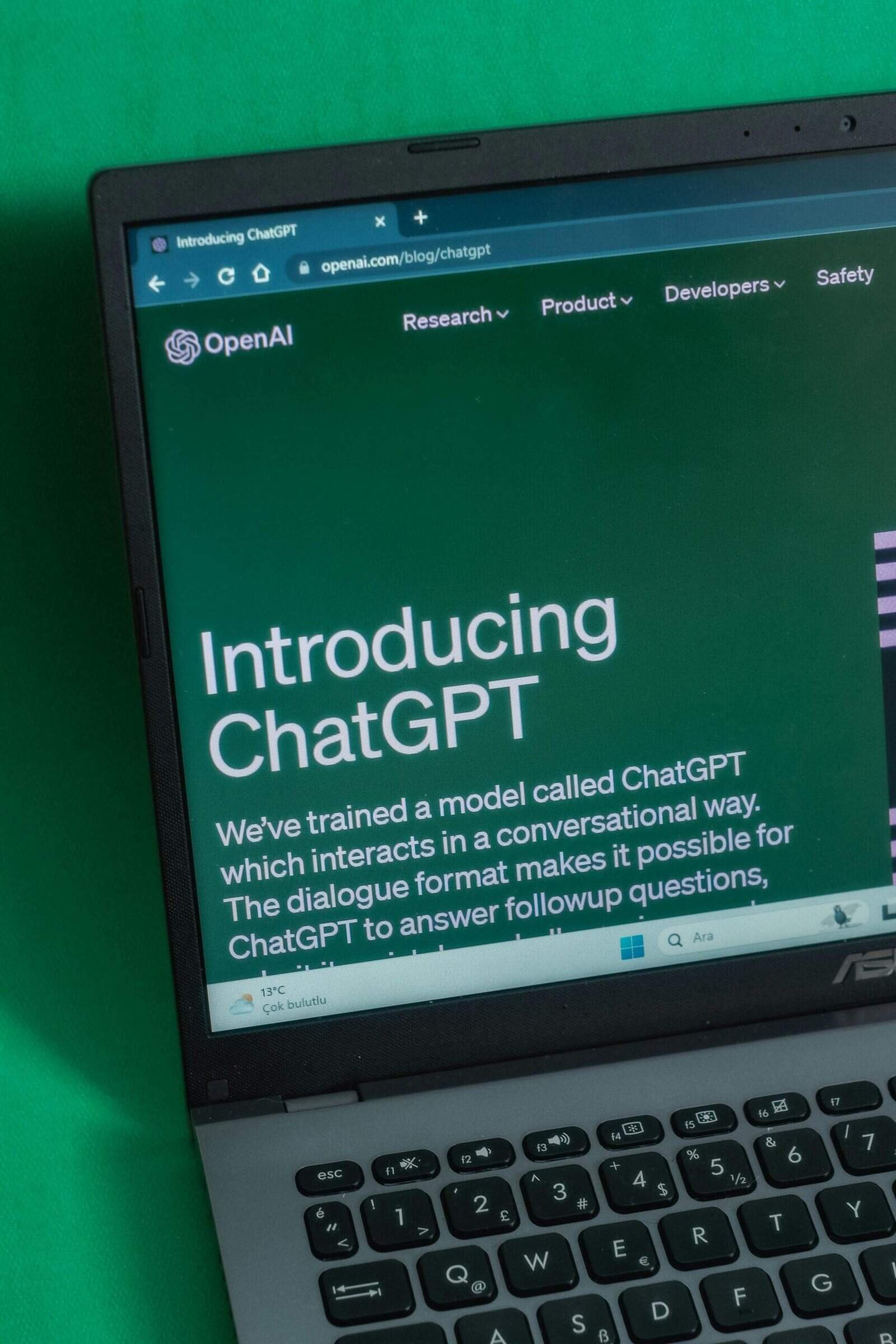
Top AI Tools for South African Small Businesses in 2026
Artificial Intelligence (AI) is no longer a futuristic concept — it’s rapidly becoming a key growth enabler for small businesses in South Africa. From automating admin tasks to improving customer service and streamlining marketing, AI tools provide affordable, scalable solutions tailored for SMMEs. If you’re a small business owner wondering how to stay competitive in 2026, embracing the right AI tools could be your game-changer.
In this guide, we explore the top AI tools for small business South Africa in 2026, walking you through practical applications, selecting the right software, and avoiding common mistakes. Whether your goal is efficiency, growth, or compliance, these AI-driven solutions can help you get there faster — and smarter.
Why This Matters for SMEs
South African SMMEs face numerous operational and financial challenges. Add compliance regulations, rising labour costs, and market saturation, and it becomes clear why efficiency is crucial. Fortunately, AI can reduce manual workload, optimise decision-making, and even predict customer trends.
Here’s why adopting AI tools could be mission-critical in 2025:
- Cost Efficiency: AI helps reduce routine tasks such as bookkeeping, CRM, and replying to basic customer queries. This translates to lower staffing costs or better allocation of resources across your teams.
- Improved Customer Experience: Chatbots and intelligent CRM tools provide 24/7 service or personalised marketing — essentials in competitive consumer markets.
- Scalability: AI tools grow with you. As your operations expand, the right tools can help manage growth without linear increases in headcount.
- Real-Time Insights: AI analytics platforms offer predictive reporting, empowering SMEs to make data-driven decisions quickly.
- Compliance Support: Some AI tools can assist with tax, labour law, or data privacy compliance, reducing the risk of penalties from the South African Revenue Service (SARS) or the Companies and Intellectual Property Commission (CIPC).
Step-by-Step Guide: Selecting & Using AI Tools for South African SMEs
1. Identify Business Needs and Bottlenecks
Start with your biggest operational pain points:
- Are you spending time on administrative tasks?
- Struggling with inconsistent customer follow-up?
- Need to improve marketing ROI?
Map these challenges to potential AI categories — for example, customer support issues can be solved with chatbots, while invoicing delays may require AI-enabled accounting.
2. Choose Industry-Relevant AI Tools
Popular AI tools in 2025 for small businesses in South Africa include:
- Xero + Hubdoc: For AI-powered invoicing, receipt capturing, and financial reconciliation.
- Zoho CRM with Zia Assistant: Combines CRM with AI-based sales forecasting and automation.
- ChatGPT (via plugins or API): For generating content, emailing customers, or automating FAQs.
- LivePlan: AI-powered business planning tailored to South African formats and sectors.
- Hootsuite / Buffer + AI Assist: For social media automation, post generation, and performance analytics.
3. Localisation: Ensure Tools Support South African Context
Choose tools compatible with SARS standards (like VAT codes), common payment providers (Yoco, PayFast, SnapScan), and regulatory frameworks (POPIA compliance).
Also consider using tools that accept ZAR or integrate with SA banks like Absa, Standard Bank, or FNB. Language support for English, isiZulu or Afrikaans may be helpful for multilingual marketing.
4. Start with Low-Risk Trials or Freemium Plans
Most AI platforms offer free trials or tiered pricing. For example:
- Zoho CRM offers a free plan for up to 3 users.
- Canva with AI Magic Studio offers basic features in their free version.
- Xero allows for free trials and discounted packages through SME associations.
Test features before scaling across your operations.
5. Train Your Team & Assign Oversight Roles
AI won’t operate optimally without human oversight. Allocate someone (even if it’s just you) to learn the tool, monitor outputs, and tweak settings as needed.
Use vendor-provided onboarding resources — many platforms offer South Africa-specific webinars.
6. Track Results and Adjust Quarterly
Set KPIs around saved time, customer response rates, or lead conversion. Review quarterly to determine ROI or whether to invest in a better-fitting solution.
Case Study: How an Eastern Cape Retailer Boosted Efficiency Using AI
Before: Lungi owns a small clothing boutique in East London. Her team spent 10+ hours weekly on customer follow-up and stock bookings, leading to missed sales and burnout. Marketing was inconsistent and delayed.
After: By integrating Zoho CRM with Zia AI and ChatGPT-powered chatbot support on WhatsApp, Lungi automated lead follow-ups and appointment booking. She used Canva AI for social media visuals and Buffer for weekly timed posts. In just 3 months:
- Customer engagement improved by 40%
- Weekly admin time reduced from 10 to 4 hours
- Revenue grew by 22%, attributed to consistent marketing and rapid responses
Lungi now plans to use Xero’s AI to automate her tax submissions to SARS.
Top Tools, Resources & Next Steps
Here are recommended tools and support resources tailored for South African SMMEs:
- Xero ZA – Cloud accounting with AI features
- Zoho CRM South Africa – Full-featured CRM with AI assistance
- DSBD (Department of Small Business Development) – Government support for SME digitisation
- 2025 SMME Funding Guide – Explore AI & tech-related grants and incentives
Next steps:
- Assess which AI category suits your business first (marketing, admin, finance)
- Trial 1–2 tools with built-in tutorials
- Layer in AI support as your team adapts — don’t implement everything at once
Common Mistakes & How to Avoid Them
- Doing Everything at Once: AI should be adopted incrementally. Start with one department like accounting or marketing.
- Ignoring Local Requirements: Tools must support local tax laws (SARS), POPIA, and currency formats.
- No Team Training: Without onboarding staff, usage remains shallow. Appoint an internal AI ‘champion’.
- Underestimating Costs: Freemium tools can scale quickly in cost if not monitored. Review pricing regularly.
- Blind Trust in AI: Always review generated content for quality, accuracy, and brand tone.
Conclusion
AI isn’t just for tech giants anymore. The right AI tools for small business South Africa can help you reclaim time, improve customer experience, and grow sustainably — all on a budget. As digital transformation sweeps across South African industries, staying ahead means acting now.
Want to explore tech funding options for your AI rollout? Check out our companion post on SMME Funding & Grants in 2025.
Written by the SMEInnovationHub Team.