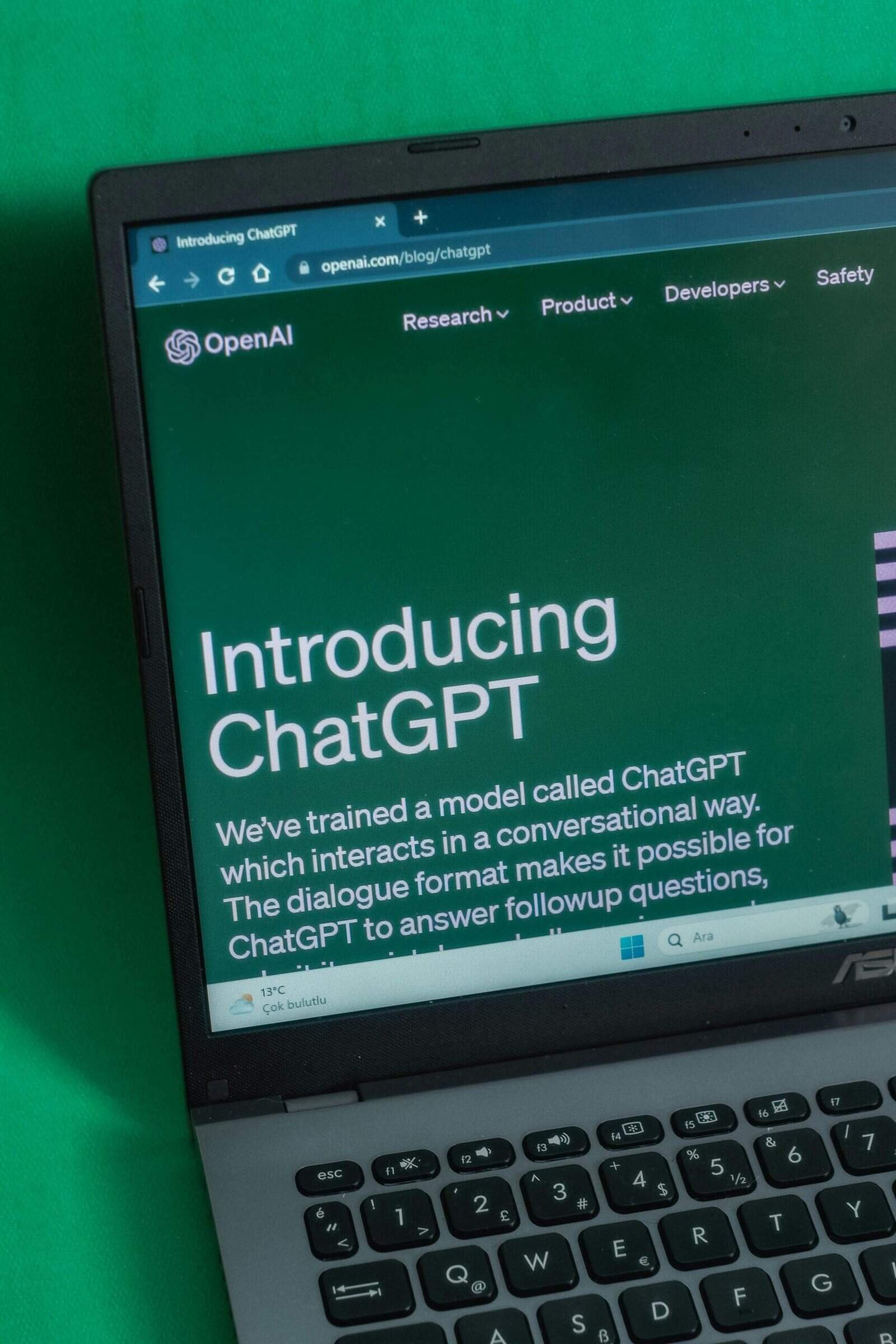
AI Tools for Small Business Operations
As South African small businesses navigate a fast-evolving digital landscape, leveraging artificial intelligence (AI) has become more than just an innovation—it’s a competitive necessity. From improving customer service to streamlining operations, the implementation of AI tools for small business operations is reshaping how SMEs operate, scale, and survive in a competitive market.
In this guide, we’ll explore specific AI tools and practical steps that South African SMEs can take to adopt them effectively, improving business efficiency, decision-making, and customer experience.
What Are AI Tools for Small Business Operations?
AI tools are applications or platforms that utilize machine learning, predictive analytics, natural language processing, and automation to perform tasks traditionally done by humans. For small business operations, these tools can support automation in:
- Customer relationship management (CRM)
- Human resources (HR) and payroll
- Marketing and customer outreach
- Inventory and supply chain management
- Finance and accounting
- Data analysis and business forecasting
With increasing access to cloud-based software and favourable licensing models, AI tools have become more accessible to South African SMEs, allowing them to compete with larger enterprises without massive capital investment.
Why South African SMEs Should Adopt AI Tools
The adoption of AI is not merely a trend—it’s a way to address perennial challenges faced by SMEs in the South African context. These include tight cash flow, limited staffing, administrative burdens linked to SARS compliance, and difficulty accessing efficiency-enhancing technologies.
- Affordability: Most AI tools offer scalable pricing suited for small operations.
- Compliance: Tools can help automate SARS submissions and CIPC filings.
- Time-saving: Automating repetitive tasks improves productivity.
- Better decisions: Predictive analytics and reporting aid in strategic business planning.
Leveraging business tools for smes that include AI features can create a significant impact on operational resilience and long-term business sustainability.
Key Categories of AI Tools for SMEs
1. AI-Powered Customer Support
Chatbots and virtual assistants can dramatically reduce response time and improve customer interactions without increasing staff headcount.
Recommended Tools:
- Zoho SalesIQ: Offers AI chatbots for real-time customer support.
- Freshchat by Freshworks: Integrates machine learning to personalise service and automate FAQs.
Local Insight: Integrate AI chatbots into WhatsApp Business, widely used across South Africa, to provide multilingual support in isiZulu, Afrikaans, and Xhosa.
2. AI for Marketing Automation
AI-powered platforms help businesses tailor marketing messages, identify buyer personas, and send communications at optimal times to increase conversions.
Recommended Tools:
- Mailchimp: Uses AI to analyse customer data and automatically segment audiences.
- HubSpot: Offers predictive lead scoring and AI-generated email content.
Checklist:
- Define your customer journey and touchpoints.
- Use AI segmentation to tailor emails and promotions.
- Track open rates, click-throughs, and conversions through dashboards.
3. Finance and Accounting Automation
AI tools remove the guesswork from financial planning, credit management, and tax filing by automating reconciliations and evaluations.
Recommended Tools:
- Xero: Integrates AI to auto-categorise expenses and manage compliance with SARS tax codes.
- Receipt Bank (now Dext): Uses OCR and AI to read and compile expense data from receipts and invoices.
South Africa Tip: Sync your AI accounting software with SARS eFiling to streamline bi-annual and VAT submissions.
4. Human Resources and Payroll
Managing UIF submissions, monthly payslips, and staff attendance can be overwhelming. AI-enabled HR platforms automate these admin-intensive processes.
Recommended Tools:
- Sage HR: Offers AI-driven onboarding workflows, leave tracking, and performance reviews.
- PaySpace: A South African payroll solution with AI features for compliance and staff data analysis.
Compliance Note: Ensure AI HR tools align with South Africa’s POPIA (Protection of Personal Information Act).
5. AI for Inventory and Supply Chain Management
Forecast product demand, manage supply chain volatility, and optimise stock levels without manual spreadsheet work.
Recommended Tools:
- TradeGecko (now QuickBooks Commerce): Predicts inventory demand based on sales history and seasonality.
- Netstock: A local favourite, offers AI-based demand forecasting integrated with Sage and SAP.
Checklist:
- Input accurate sales history into your platform.
- Enable predictive analytics for upcoming demand cycles.
- Use insights to automate supplier reordering processes.
Steps to Implement AI in Your SME
Step 1: Identify the Business Problem
Start with a clear operational pain point—manual customer responses, paperwork overload, delayed order fulfilment. AI works best when it addresses a specific inefficiency.
Step 2: Choose the Right Tool
Pick a tool tailored to your SME’s size, industry, and budget. Most tools offer a free trial. Before full investment:
- Test integration with existing systems.
- Review data privacy policies for compliance with POPIA and SARS regulations.
Step 3: Train Your Team
Ensure staff understand how to use the tool efficiently. Many vendors—including Zoho and Xero—offer local training sessions for South African users.
Step 4: Monitor and Optimise
Track efficiency metrics: time saved, costs reduced, errors minimised. Refine processes and add new features gradually as your team becomes comfortable.
Case Study: AI in Action at a Jozi Retail SME
Company: Tando’s Urban Boutique (Johannesburg CBD)
Challenge: Wasting over 30 hours/month on manual sales reports and WhatsApp customer queries.
Solution: Implemented Zoho CRM for automated lead tracking and Mailchimp for customer email segmentation. Added Xero for AI-based invoicing and reconciliation.
Outcome: Customer satisfaction rates improved by 32%, response times cut in half, and accounting admin reduced by 70% within six months.
Funding and Support for AI Adoption
The South African Department of Small Business Development (DSBD) and Small Enterprise Finance Agency (SEFA) provide grants and funding for technological upgrades, including digital transformation initiatives.
Tips for Accessing Support:
- Apply for the Technology Transfer Fund via SEFA for AI software licenses.
- Include digital tools in your business plan when applying for DSBD grants.
- Leverage Chamber of Commerce digital readiness workshops to demo AI tools.
Risks and Considerations
Although AI adoption has tremendous advantages, SMEs must manage associated risks:
- Data Privacy: Ensure AI partners comply with POPIA and secure customer data appropriately.
- Vendor Lock-in: Select tools with open APIs or export options to avoid dependency.
- Skill Gaps: Upskill teams continuously or engage local tech consultants for support.
Final Thoughts on AI Tools for Small Business Operations
The evolution of AI tools for small business operations marks a powerful shift in executing everyday business tasks with speed, insight, and accuracy. For South African SMEs, these tools offer a tangible path to reduce cost, operate more efficiently, and compete globally.
As tools become more accessible in price and functionality, now is the time for small enterprises to explore, experiment, and implement AI strategically. Whether streamlining payroll submissions to SARS or optimising marketing through AI-backed analytics, AI can become an SME’s most reliable business partner.
Written by SMEInnovationHub Team.