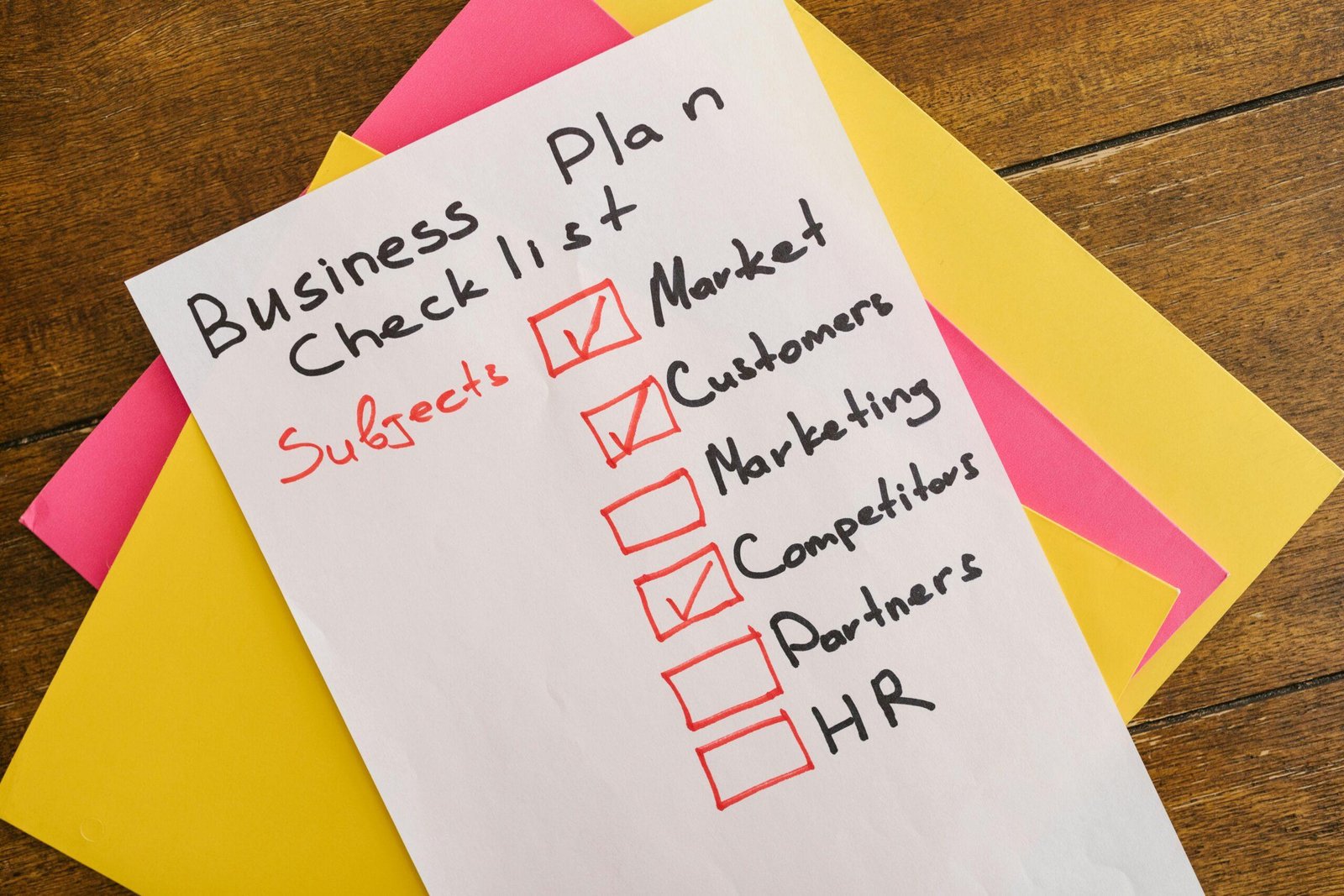
Business Plan for Funding Template South Africa: A Guide for SMEs
Creating an effective business plan for funding template South Africa is a critical step for local entrepreneurs and small business owners seeking finance. Whether you’re applying for a government grant, private investment, or bank loan, South African SMMEs must present a compelling, structured plan. Fortunately, with the right approach and tools, you can build a winning business case that positions your enterprise for success.
This guide is tailored to help South African small businesses navigate funding requirements with confidence—no corporate jargon, just clear, practical steps to secure the capital you need. We’ll break down the purpose behind a business plan, walk through each section of a locally relevant template, and provide a real-world SME case study. By the end, you’ll be equipped to submit a plan funders can’t ignore.
Why This Matters for SMEs
Securing funding is one of the most common challenges faced by South African entrepreneurs. From SEFA and NEF funding to bank loans and angel investors, every lender expects a comprehensive, well-thought-out business plan.
Here’s why a strong business plan is non-negotiable:
- Demonstrates viability: It proves your business idea is feasible, sustainable, and profitable.
- Builds trust: Funders want to see that you’ve done your homework. A credible plan shows preparedness.
- Clarifies financial needs: You’ll show exactly how much funding you need, how it will be used, and the expected return or outcome.
- Required for applications: Most South African funding bodies like the Small Enterprise Finance Agency (SEFA) and Department of Small Business Development (DSBD) require a business plan to consider funding applications.
Without a professional, funder-ready business plan tailored to South African requirements, your application may be instantly sidelined. This makes using a localised business plan for funding template South Africa a competitive advantage.
Step-by-Step Guide: Crafting a Winning Business Plan
Let’s break down your business plan into actionable sections, using a funder-friendly structure widely accepted across South African funding institutions and banks.
1. Executive Summary
This is a condensed overview of your business. It should summarise who you are, what you do, your funding requirements, and how the funds will make a difference.
- Write this last – it’s a summary of your full plan.
- Keep it concise – no more than one page.
- Highlight key financials and business goals.
2. Business Description
Provide an overview of the business, including:
- Company name, registration (CIPC), and legal structure
- Physical location and markets served
- Mission, vision, and goals
- Details on the founders or directors
3. Market Analysis
Demonstrate that you understand your industry, market dynamics, and customer needs in South Africa:
- Detail your target market (e.g., township consumers, B2B clients, etc.)
- Discuss competitors and pricing benchmarks
- Include stats from Stats SA or industry reports if available
4. Operations & Management Plan
Use this section to show how your business runs day-to-day:
- Organisational structure
- Key personnel and roles
- Processes (manufacturing, service delivery, etc.)
- Suppliers and service providers
5. Marketing & Sales Strategy
Explain how you’ll attract and retain customers:
- Marketing channels (social media, flyers, foot traffic, online ads)
- Promotions or pricing strategies
- Sales channels (retail, online, direct)
- After-sales service, customer retention methods
6. Financial Plan & Projections
This is where many SMEs stumble, but keep it simple and realistic. Include:
- Start-up costs or funding needed
- Projected income statement (12–36 months)
- Cash flow projections
- Break-even analysis
- Funding breakdown: how every rand will be used
If accounting is not your strength, consider using a local accounting tool like Sage Business Cloud or speaking with a professional accountant.
Case Study: Thembi’s Township Bakery
Before: Thembi operated a home-based bakery in Khayelitsha, selling muffins and scones to local schools and commuters. She wanted to apply for a R150,000 start-up loan from SEFA to open a proper shop but had no formal plan, and her first application was rejected.
After: Using a localised business plan for funding template South Africa, Thembi updated her plan, including specific costs (R60,000 for equipment, R50,000 for stock, R40,000 for shop rental & signage). She included township market research (80% customer interest in custom cakes), three-year revenue projections, and her marketing strategy (WhatsApp orders, street promos). Her refined application was approved, and the bakery now serves over 200 customers weekly.
Tools, Resources & Next Steps
Here are practical resources to help you build your own plan:
- SEFA Business Plan Guide (PDF)
- DSBD Small Business Support
- SMEInnovationHub’s Full SME Funding Guide (2025)
- SARS small business tax compliance page
Tip: Download a pre-formatted business plan for funding template South Africa from your bank’s SME portal (like FNB or Nedbank), then customise it.
Common Mistakes & How to Avoid Them
- Vague financials: Use exact rand values and break down costs clearly.
- Overly optimistic projections: Be realistic; funders prefer honesty over hype.
- No market validation: Show that people want or already buy your product.
- Generic templates: Always localise — SA funders want to see relevant context.
- Lack of structure: Follow a logical flow – use headings and bullet points.
- Skipping the summary: Funders often read the executive summary first – don’t neglect it.
Conclusion
With a clear, well-structured business plan tailored to South African funders’ expectations, you dramatically improve your chances of securing finance. Don’t rush the process—use local data, outline your financial needs precisely, and show that your SME is ready to grow responsibly.
If you’re looking for more funding advice, check out our in-depth SME Funding Guide for 2025
Written by the SMEInnovationHub Team.