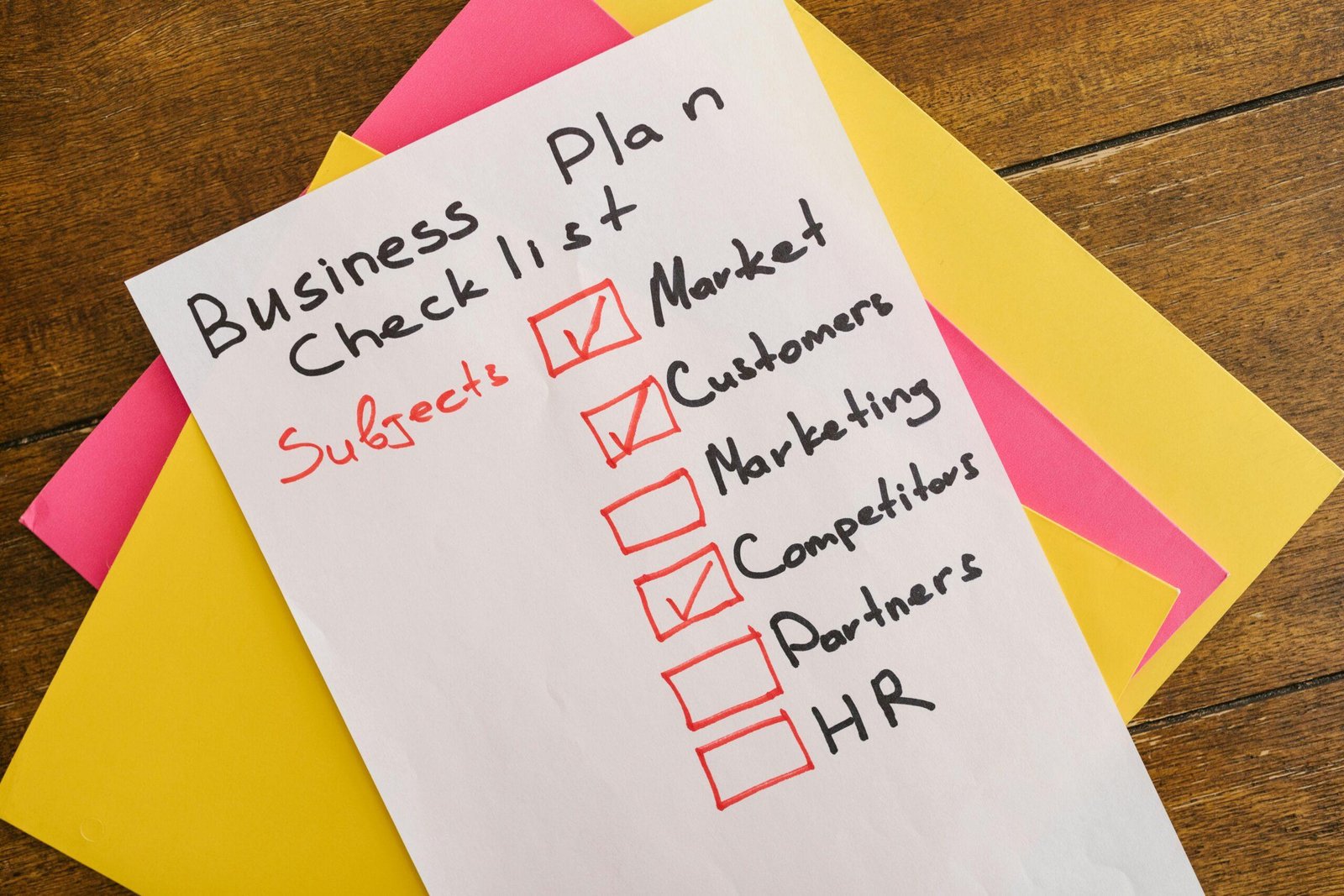
How to Prepare a Bank-Ready Business Plan and Financial Projections for Funding Approval
Bank-ready business plan—three powerful words that can make or break your shot at securing funding. Whether you’re an entrepreneur in Cape Town, a township startup owner in Soweto, or a seasoned small business operator pivoting toward growth, you need a professional, bulletproof business plan with solid financial projections for funding approval.
In this comprehensive guide, we show you step-by-step how to prepare a business plan that meets bank requirements and speaks the language investors understand. Expect real-world examples, actionable insights, and local tips tailored to South African SMMEs and entrepreneurs worldwide. By the end, you’ll have a clear roadmap to improve your chances of getting that crucial bank loan or government grant.
Why This Matters: Business Plans Built for Bank Funding
Most small businesses fail to secure funding not because they’re a bad idea, but because they can’t communicate viability in ways that banks trust. A bank-ready business plan isn’t just a pitch—it’s proof that your business is viable, profitable, and sustainable and that you, as the entrepreneur, understand your numbers and your market.
- Increased credibility: A solid plan proves you’ve done your homework.
- Better loan terms: Banks may offer improved repayment conditions if risk is clearly mitigated.
- Easier approvals: You tick off due diligence boxes upfront—saving time and follow-ups.
- Compliance and structure: Especially crucial in South Africa, where regulatory requirements (e.g., B-BBEE, SARS compliance) apply for most funding options.
According to the South African Small Enterprise Finance Agency (SEFA), many first-time business owners are rejected due to missing or incomplete financial projections. Banks want facts, not guesses—which is why strong financials are the cornerstone of a fundable plan.
Step-by-Step Guide: 5 Key Actions to Build a Bank-Ready Business Plan
1. Executive Summary – Hook Them First
This is likely the only part decision-makers read in detail. Craft it last, even though it appears first. Include:
- Business name, structure, sector, and ownership
- Short description of the product/service
- Value proposition—what pain do you solve?
- Current performance (if operating)
- Funding being requested and for what use (e.g., R500K for equipment upgrade)
2. Market Research – Know Your Customer and Competitors
Your plan must prove demand exists. Include:
- Primary and secondary target markets: demographics, location, trends
- Competitor landscape (SWOT analysis format is ideal)
- Marketing strategy to acquire and retain customers
Use stats from credible sources like Stats SA and industry-specific reports to validate your claims.
3. Business Structure & Operations – Show the Engine
Outline how the business works daily:
- Business model (e.g., direct-to-consumer, wholesale, B2B)
- Key team and advisor profiles—highlight relevant experience
- Processes, partners, suppliers, and locations
- Compliance and risk management (e.g., tax, insurance, contracts)
4. Financial Projections for Funding Approval
Most critical section—break it into:
- Income Statement: Forecast sales, expenses, and net profit over 3–5 years.
- Cash Flow Statement: How money moves in/out monthly. Most banks emphasise liquidity.
- Balance Sheet: Assets, liabilities, equity snapshot showing solvency.
- Break-even Analysis: Show at what point your business becomes profitable.
- Assumptions: Clearly explain how you arrived at projections (growth %, inflation, margins, etc.).
Use practical tools like BDC’s financial forecast template to simplify projection builds.
5. Funding Request – Precision Matters
This is where most SMMEs are too vague. Be specific:
- Amount needed and duration (e.g., R300K over 3 years)
- Type of funding: loan, overdraft, grant, blended finance
- Use of funds: inventory, machinery, talent, marketing
- Repayment plan and ability to service debt
Real-World Example: Sipho’s Saxofones Gets Funded
Sipho runs a music instrument retail shop in Durban. He built a 12-page plan covering his niche market (schools and music teachers), mapped seasonal sales patterns in his projections, and showed how a R250,000 injection would double inventory and improve logistics.
He used a BDC template to forecast three years of profits and repaid a test loan from family to prove responsibility. His attachments included SARS clearance, tax number, CK certificate, and bank statements. His funding request was approved by a local bank in under 30 days because it was complete, realistic, and professionally presented.
Learn more: SME Funding Insight: 5 Government Grants for 2025
Tools, Resources and Next Steps
- BDC Financial Projection Templates
- Masterful Marketing: Market Research
- WhyOptimize: Online Tools for Small Businesses
- SEFA – South African Small Enterprise Finance Agency
Preparing a bank-ready plan is not a wish-list exercise—it’s a must for scaling your venture. Once your plan is done, update it yearly or when making a major business shift.
Download templates, speak to a qualified accountant or business advisor, and schedule time monthly to track your financials. Consider joining your industry chamber or incubator to access coaching and support.
Conclusion: You Can Do This—Plan. Project. Prosper.
A bank-ready business plan with accurate financial projections is your passport to serious funding. Set yourself apart by doing the research, defining real numbers, and speaking the language of lenders. By following these steps, you’ll reflect commitment and vision—two things banks love to back.
Now, take action: use the tools above, craft your plan, and go get that funding.